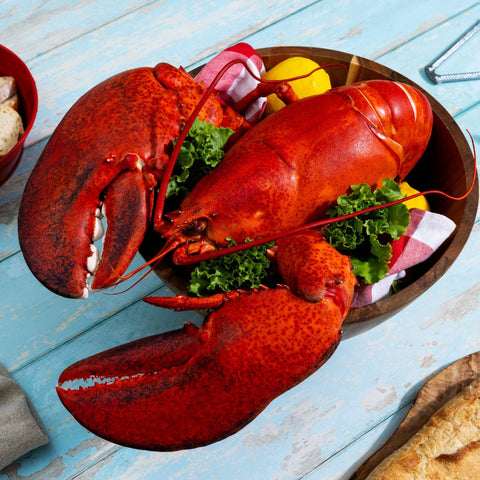

A Maine lobster has more to offer than its tail. Here is where to find the claw, knuckle, tail and small pieces of body meat, along with the parts to remove before eating.

Claws
Maine lobsters have two distinct claws. The larger crusher claw has a heavier shell, while the cutter claw has a finer edge. Both contain meat. Open the shells gently and remove the firm cartilage from the claw meat.
Knuckles
Knuckles are the short sections between each claw and the body. They hold small pieces of sweet meat. Separate the joints and open the shell carefully to reach them.
Tail
The tail holds a large piece of firmer meat. Once the lobster is cooked, bend the tail down and away from the body, gently press the shell and peel it open. Remove the dark intestinal tract and check for shell fragments.
Body and small legs
Small pockets of white meat sit between the thin shells inside the body. Pick carefully and keep the meat separate from the gills and internal organs. The small walking legs also contain a little meat, especially in larger lobsters. Use a pick rather than biting sharp shells.
What else is inside?
Roe
Roe is the immature eggs found inside a female lobster. It is naturally dark before cooking and turns red when cooked. Cook it thoroughly before eating.
White material on cooked meat
You may see a white material on the cooked meat. Lobster blood is clear before cooking and becomes white as it cooks.
Tomalley
Tomalley is the soft green digestive organ inside the body. Maine DMR and Maine CDC advise against eating it because contaminants can accumulate there. Remove and discard it. Keep it out of picked meat, sauces and stock. The advisory concerns tomalley, not the tail and claw meat.